

Last-minute tips for Self Assessment tax return filing
 Team Nomi
6 minutes read
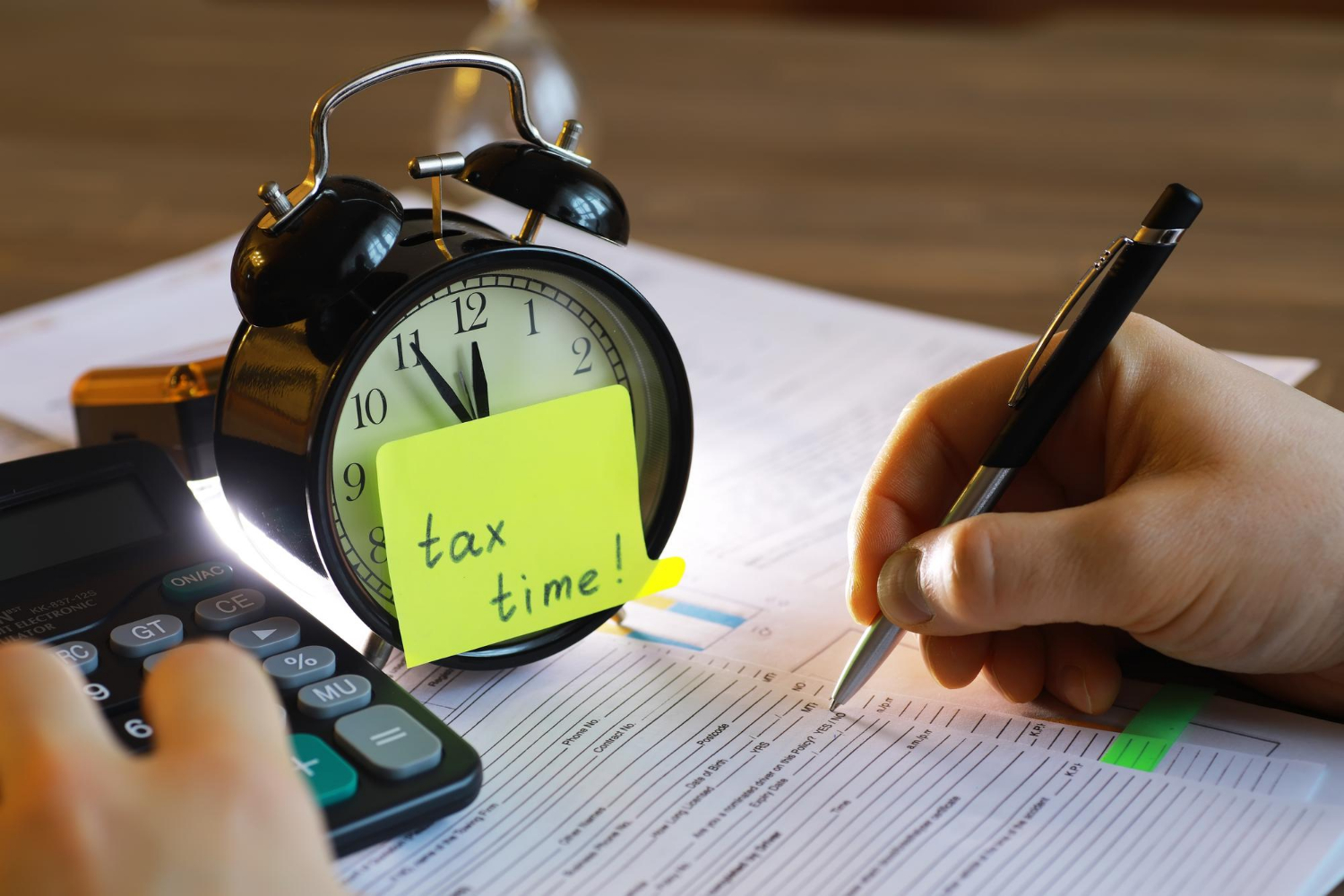
Running out of time to file your Self Assessment tax return? The best tips for self assessment tax return filing are to check your income, review your expenses, confirm your tax bill, and submit your return before the deadline. A rushed return can lead to simple mistakes that may cost you money or result in penalties.
Whether you are self-employed, a company director, a landlord, or have income from several sources, take a few minutes to check your figures before submitting.
For the 2025–26 tax year, the online Self Assessment filing and payment deadline is 11:59 pm on 31 January 2027. Any tax owed must normally be paid by the same date.
If the deadline is getting close, these practical tips for self assessment tax return filing can help you avoid common last-minute mistakes and get your return submitted with greater confidence.
1. Gather your records before filing
One of the most useful tips for self assessment tax return filing is to get all your records together before you start. When the deadline is close, searching for missing information while completing your return can lead to rushed decisions and simple errors.
Before you begin, check that you have:
-
- Bank statements
- Invoices and sales records
- Receipts
- Dividend records
- Pension contribution records
- Savings and investment records
- Bookkeeping records
If you are a company director, remember that your personal Self Assessment tax return is separate from your company’s accounts. Depending on your circumstances, you may need to report income from your director’s salary, dividends from the company, and taxable benefits, such as a company car or private medical insurance.
The income and benefits you need to declare will depend on your personal tax position and the applicable HMRC reporting requirements.
Taking time to check your records first can help you identify allowable expenses and tax reliefs you might otherwise overlook.
2. Check every source of income
When filing in a hurry, it is easy to focus on your main income and forget about other sources. Missing income from even one source can lead to an incorrect tax return, so take a few minutes to check everything you received during the tax year.
Common sources of income to check include:
-
- Rental income – income received from property you let out.
- Dividends – dividends received from your own company or other investments.
- Savings interest – interest earned from bank and savings accounts.
- Freelance or side income – money earned from work outside your main business or employment.
- Capital gains – gains from selling certain shares, investments or property, where reporting is required.
- Overseas income – certain income received from outside the UK may need to be reported, depending on your UK tax residence and applicable tax rules.
Make a simple list of your income sources and compare it with your bank statements, accounts, and other records. If you are unsure whether an amount needs to be reported, getting self assessment tax return help before submitting is better than making a guess.
This is especially important if you have several income sources. HMRC may receive information from banks, investment providers, and other organisations, so leaving out income could result in questions later.
3. Review expenses, allowances and tax reliefs
Another important point in your checklist is to review your expenses carefully. Rushing can result in two common mistakes: claiming an expense that is not allowable or forgetting a legitimate expense.
Allowable business expenses may include business equipment, professional subscriptions, certain travel costs and business use of phone and broadband. Check that each expense meets HMRC’s rules before claiming it.
Personal tax reliefs may include pension contributions and Gift Aid donations. These are treated separately from business expenses and have different eligibility and reporting rules. Check which reliefs apply to your circumstances before claiming them.
4. Check your tax bill and payments on account
Filing the return is only part of the job. You also need to understand how much tax you owe and when it needs to be paid.
Some taxpayers may also have payments on account, which are advance payments towards their next Self Assessment bill. The first payment is normally due on 31 January and the second on 31 July.
Before submitting, check your HMRC account and make sure you have allowed for the full amount. If your income has changed significantly, check whether your payments on account can be reduced under HMRC rules.
Base any reduction on a reasonable estimate of your tax liability, as reducing payments too far may result in interest being charged on the underpaid amount.
Knowing your expected tax bill before the deadline gives you time to plan your cash flow instead of facing an unexpected payment. Payments on account generally apply if your previous Self Assessment tax bill was at least £1,000 and less than 80% of your tax was collected outside Self Assessment, such as through PAYE.
5. Do a final check before you press submit
The final review is one of the most important tips for self assessment tax return filing. Do not treat the submit button as the final check. Take a few minutes to review the return carefully and make sure the information is correct.
Before submitting, check:
-
- Personal details
- UTR
- Income figures
- Expenses
- Tax reliefs
- Declarations
- Accounts and bank records
- Professional review
Also check that your HMRC online account and login are working before the deadline. Trying to recover access or find missing information on the final day could leave you with very little time to fix a problem.
A late online return can result in an initial £100 penalty, with further penalties if it remains outstanding for three, six and 12 months. Late payment can also result in additional penalties and interest, so avoid leaving everything until the last minute.
Don’t let the deadline catch you out
The safest approach is simple: file as early as you can, check your figures, and deal with anything you are unsure about before the deadline. HMRC allows online returns to be submitted from 6 April, so there is little benefit in waiting until January if your records are ready.
If you are already close to the deadline, do not ignore missing records or unclear figures. Getting self assessment tax return help early can give you time to correct issues and avoid unnecessary penalties.
Need support with your Self Assessment tax return? Get professional help to check your figures, claim the reliefs you are entitled to, and submit your return correctly and on time. Don’t wait until the final day to get your return ready now.
Want to find out more?
Book a free 30-day trial and see how our accounting software can help you manage staff, increase profitability and take your practice to the next level.

Key skills every accountant needs in 2026
Accountants need more than technical accounting knowledge to succeed. Analytical thinking, attention to detail, communication,...
Read More
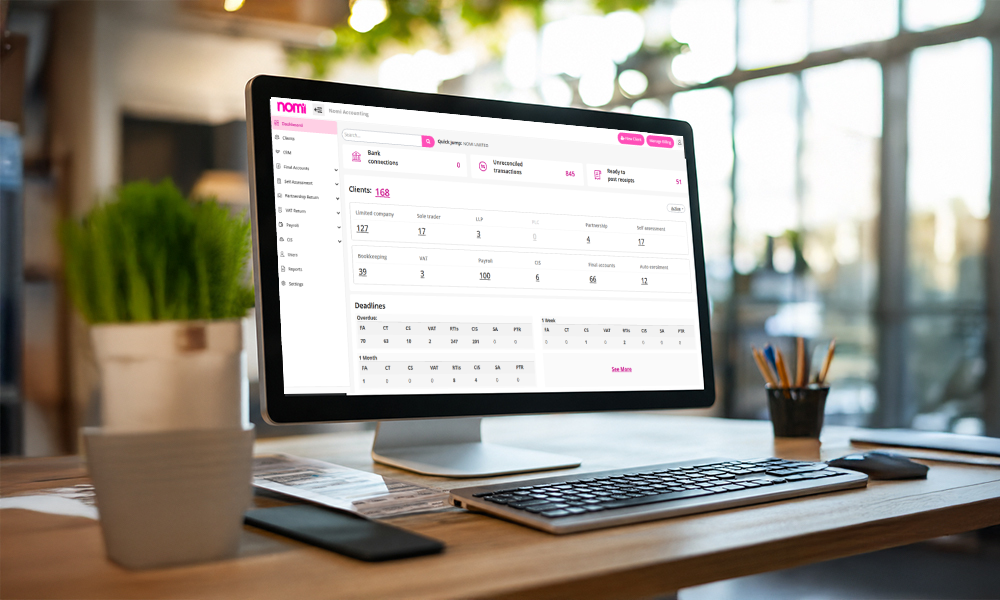
Cloud-Based Accounting Software for Bookkeepers and Accountants
Managing multiple clients, payroll tasks, tax submissions, and compliance requirements manually can be time-consuming for...
Read More
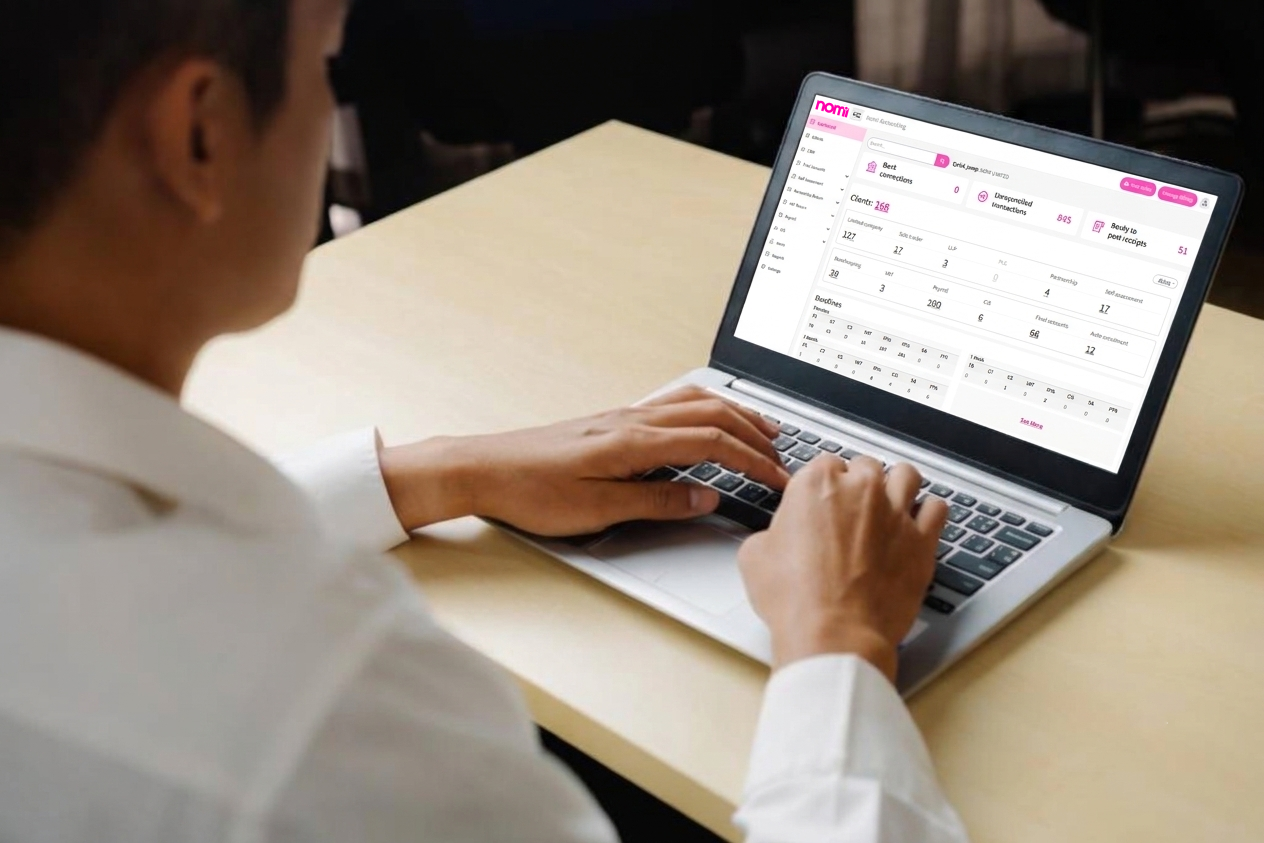
Choose the right self assessment software for individuals
Choosing the right self assessment software can make filing your UK tax return faster, easier,...
Read More