

Key skills every accountant needs in 2026
 Team Nomi
4 minutes read

Accountants need more than technical accounting knowledge to succeed. Analytical thinking, attention to detail, communication, and digital skills are equally important in today’s changing accountancy profession.
With the growing use of AI, cloud accounting, and automation, accountants must keep their knowledge up to date while applying professional judgment and supporting clients with financial decisions.
What skills do accountants need?
Key skills for accountants include:
-
- Technical accounting: Bookkeeping, taxation, financial reporting, and MTD requirements.
- Analytical thinking: Interpreting financial data and identifying trends.
- Attention to detail: Maintaining accurate records and checking figures.
- Communication: Explaining financial information clearly to clients and colleagues.
- Digital skills: Using accounting software, spreadsheets, and automation tools.
- AI literacy: Reviewing AI-generated information and identifying errors.
- Problem-solving: Investigating discrepancies and finding practical solutions.
- Time management: Prioritising tasks and meeting deadlines.
- Critical thinking: Evaluating information and applying professional judgment.
- Adaptability: Keeping up with changes in legislation and technology.
- Teamwork: Coordinating tasks and sharing information effectively.
- Client management: Understanding business needs and providing useful advice.
1. Technical accounting knowledge
Accountants need a sound understanding of bookkeeping, VAT, taxation, payroll, and financial reporting. UK accountants should also keep up with HMRC requirements and Making Tax Digital (MTD).
Regular training and professional development help accountants maintain their technical knowledge.
2. Analytical and problem-solving skills
Accountants must interpret financial data, identify discrepancies, and understand what the figures mean for a business. These skills help them investigate errors, monitor cash flow, and support better financial decisions.
3. Digital and AI skills
Cloud accounting software, automation, and AI are changing how accounting work is completed. Accountants should know how to use these tools, verify their outputs, and protect confidential client information.
Familiarity with spreadsheets, automated reconciliations, and digital tax reporting is also valuable.
4. Communication skills in accounting
Clear communication helps accountants explain tax liabilities, financial reports, and business performance to clients who may not have an accounting background.
Strong written and verbal communication, active listening, and the ability to explain complex information in plain English are essential for building client relationships.
5. Attention to detail and time management
Accuracy is vital when preparing accounts, processing payroll, and submitting tax returns. Accountants must check figures carefully, maintain clear records, and investigate inconsistencies.
Good time management also helps them prioritise client work, manage workloads, and meet filing deadlines.
6. Adaptability and continuous learning
Tax legislation, technology, and client expectations continue to change. Accountants should follow industry updates, complete relevant CPD, and develop new skills to remain effective in their roles.
How accounting software can help
Accounting software can reduce repetitive tasks and give accountants more time for analysis, client communication, and advisory work.
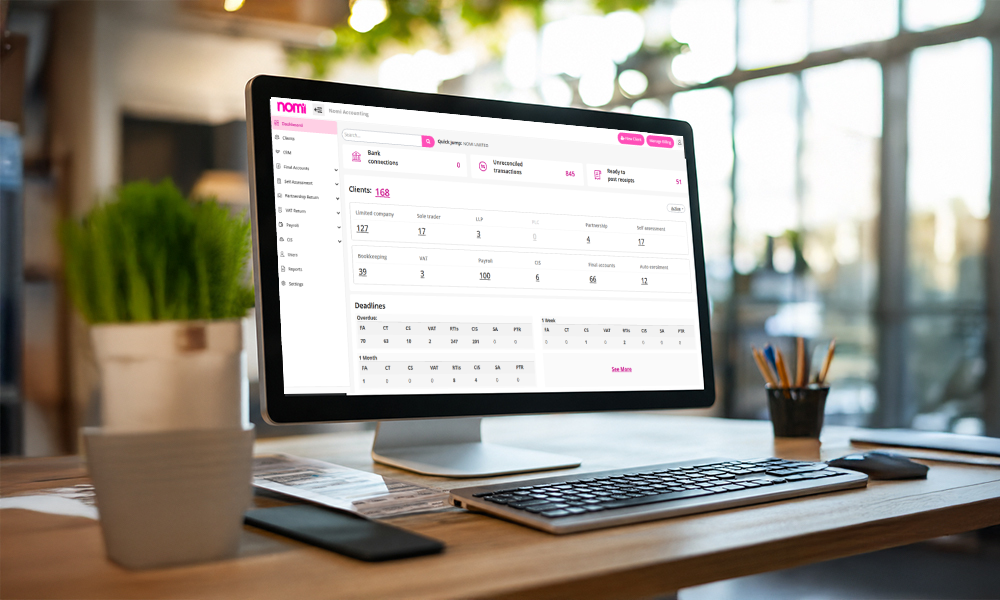
Nomi brings bookkeeping, VAT, tax, payroll, and practice management tools together in one cloud-based platform for UK accountants and bookkeepers. It helps practices manage client work and accounting processes more efficiently.
Start your free trial to see how Nomi can support your practice.
Conclusion
The key skills accountants need in 2026 combine technical expertise with digital proficiency, communication, and professional judgment. By developing these abilities and using suitable accounting software, accountants can work more effectively and provide greater value to their clients.
Frequently Asked Questions
1. What are the most important skills for an accountant?
Technical accounting knowledge, analytical thinking, attention to detail, communication, digital proficiency, and problem-solving are among the most important skills.
2. Why are communication skills important in accounting?
They help accountants explain financial information clearly, manage client expectations, and provide useful business advice.
3. What digital skills do accountants need in 2026?
Accountants benefit from cloud accounting, spreadsheet expertise, automation, AI literacy, and knowledge of digital tax reporting.
4. How can accountants improve their skills?
They can complete professional training, gain practical experience, follow legislative updates and learn to use new accounting technologies.
Want to find out more?
Book a free 30-day trial and see how our accounting software can help you manage staff, increase profitability and take your practice to the next level.
Cloud-Based Accounting Software for Bookkeepers and Accountants
Managing multiple clients, payroll tasks, tax submissions, and compliance requirements manually can be time-consuming for...
Read More

Choose the right self assessment software for individuals
Choosing the right self assessment software can make filing your UK tax return faster, easier,...
Read More

Last-minute tips for Self Assessment tax return filing
Running out of time to file your Self Assessment tax return? The best tips for...
Read More