
How to Claim Allowable Expenses for Self Assessment
 Team Nomi
7 minutes read
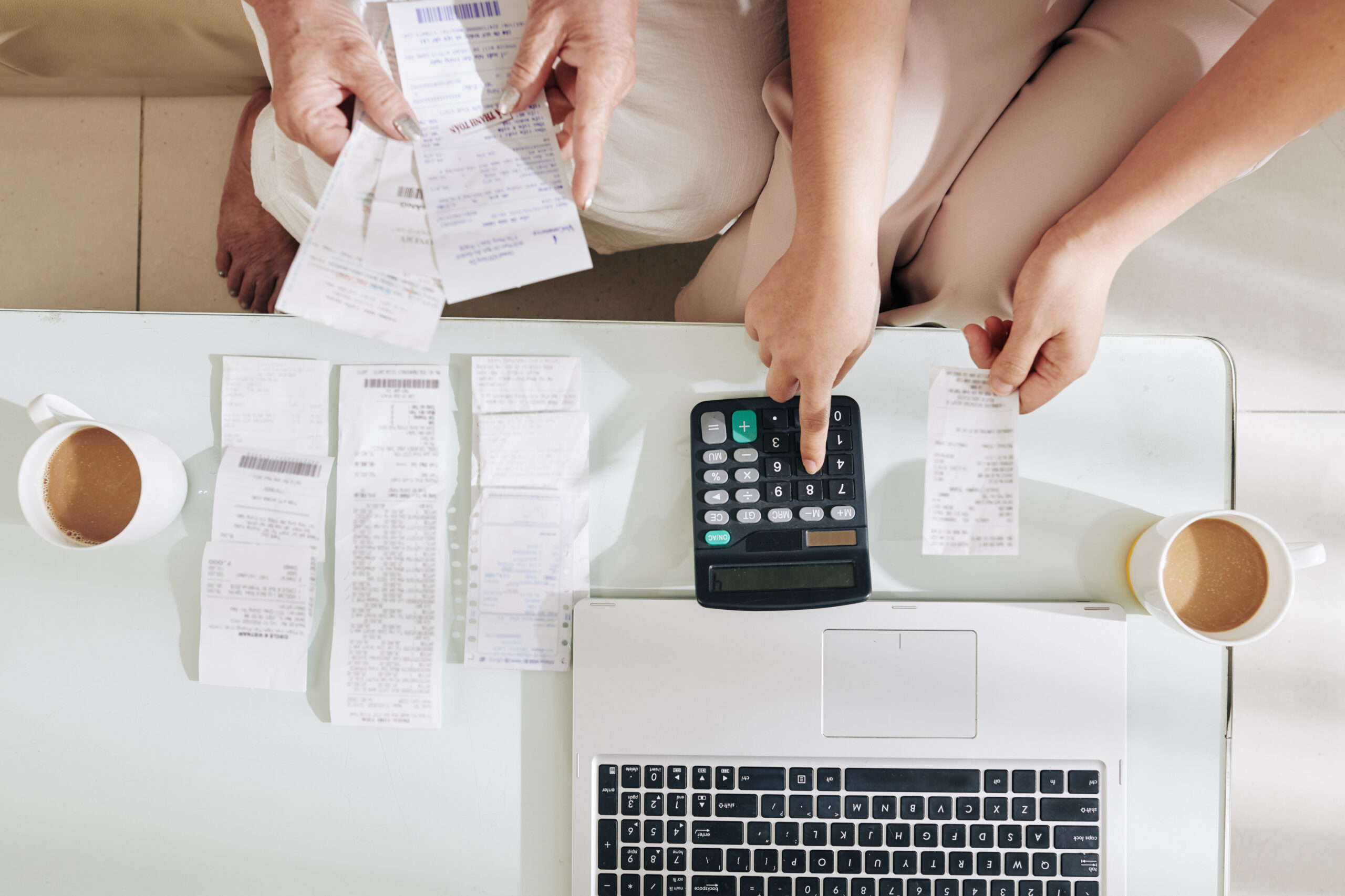
If you are self-employed, claiming self assessment allowable expenses can reduce the amount of tax you pay. Many sole traders and freelancers miss out on tax relief simply because they do not know what they can claim on self assessment or how to report expenses correctly.
Whether you work as a contractor, freelancer, consultant, or small business owner, understanding deductions for self-assessment can help lower your taxable profit and reduce your tax bill. To claim expenses correctly, you need to keep business records and report eligible costs in your Self Assessment tax return.
In this guide, we explain what allowable expenses are, what you can claim for self assessment, and how to claim expenses on self assessment correctly.
What Are Allowable Expenses?
Allowable expenses are business costs that HMRC allows you to deduct from your income before calculating tax. This means you only pay tax on your business profit, not your total earnings.
For an expense to qualify, it must be wholly and exclusively for business purposes. If something is used for both personal and business reasons, only the business portion can usually be claimed.
Who Can Claim Allowable Expenses?
If you file a Self Assessment tax return, you may be able to claim self assessment allowable expenses to reduce your taxable profit. Claiming eligible business costs means you only pay tax on your profit rather than your total income. However, the rules can vary depending on your work status and income type.
You may be able to claim allowable expenses if you are:
-
- Self-employed (sole trader or freelancer)
- A partner in a business partnership
- A landlord reporting rental income through Self Assessment
- A company director with qualifying business expenses (depending on circumstances)
If your self-employment income is more than £1,000 in a tax year, you will usually need to complete a Self Assessment tax return and may be able to claim eligible business expenses to reduce your tax bill.
How to Claim Expenses on Self Assessment
Knowing how to claim expenses on self assessment correctly can help reduce your tax bill and avoid errors on your return.
Step 1: Keep Accurate Records
Keep records of all business expenses throughout the tax year. HMRC requires you to keep records for at least 5 years after the 31 January submission deadline.
Important records include:
-
- Receipts
- Bank statements
- Invoices
- Digital accounting records
Step 2: Enter Expenses on Your Tax Return
When completing your Self Assessment tax return, you will need to report allowable business expenses using the self-employment pages.
Short self-employment pages (SA103S)
If you use the short version, enter your total allowable expenses in the relevant section.
Full self-employment pages (SA103F)
If you use the full version, enter separate totals for each expense category, such as office costs, travel, or professional fees.
Step 3: Claim Available Tax Reliefs
Pension Contributions
If you make personal pension contributions to a registered pension scheme, you may be able to claim tax relief through your Self Assessment tax return.
Charitable Donations
If you donated to charity through Gift Aid, you may also qualify for tax relief by including eligible donations in your return.
Step 4: Submit Your Tax Return Before the Deadline
Make sure you file your Self Assessment tax return on time to avoid penalties.
Key deadlines include:
-
- 31 October – Paper tax return deadline
- 31 January – Online tax return deadline and tax payment deadline
What Can I Claim on Self Assessment?
If you are wondering what you can claim on self assessment, HMRC allows you to deduct certain business costs from your income before calculating tax. These are known as self assessment allowable expenses and can help reduce your taxable profit.
Common self assessment allowable expenses include:
| Expense Category | What You Can Usually Claim |
| Office costs | Stationery, postage, printer ink |
| Travel costs | Business mileage, train fares, parking |
| Professional fees | Accountant fees, business insurance |
| Marketing | Website costs, advertising, social media marketing |
| Communications | Business phone bills and internet costs |
| Premises costs | Rent, utilities, and business-use proportion of home costs |
| Staff costs | Salaries, subcontractor fees |
| Training | Courses directly related to your business |
| Software | Accounting software and subscriptions |
Some expenses have restrictions. For example, everyday clothing is not usually allowable unless it is a uniform or protective clothing required for work.
What Can I Claim for Self Assessment if I Work From Home?
If you run your business from home, you may be able to claim part of your household costs as allowable expenses on your Self Assessment tax return. However, you can usually only claim the portion used for business purposes.
Depending on how you work, you may be able to claim expenses such as:
-
- Business phone use
- Internet costs
- Heating and electricity bills
- Home office costs
- A share of household bills used for business
The amount you can claim will depend on how much of your home is used for work and whether the expenses are directly related to running your business. Keeping clear records can help support your claim if needed.
Common Mistakes When Claiming Self Assessment Expenses
Claiming expenses incorrectly can lead to mistakes or problems with HMRC. Here are some common errors to avoid:
-
- Claiming personal expenses as business costs can lead to incorrect tax returns and potential HMRC enquiries.
- Small expenses such as software subscriptions, mileage, and office supplies are often forgotten, resulting in missed tax relief.
- Failing to keep receipts or records can make it difficult to prove expenses if HMRC requests evidence.
- Entering the same expense more than once can result in inaccurate claims and compliance issues.
- Missing Self Assessment filing or payment deadlines can lead to penalties and interest charges.
Can I Claim Expenses Without Receipts?
HMRC prefers receipts and records as evidence of business expenses. In some cases, you may still be able to claim expenses if you have proof through bank statements or reasonable records, but keeping receipts is strongly recommended.
If you’re an Accountant and Business Owner, managing a business and accounts at the same time can be tough. Nomi selfsoftware makes it easy. Find the benefits by starting a 30-day free trial to explore its features and see how it works.
Disclaimer: This blog provides general guidance and should not be considered tax advice. For complex situations or uncertainties, always consult a qualified accountant or refer to HMRC’s official resources.
Manage Self Assessment with Smart Software
Managing Self Assessment returns, tracking expenses, and collecting client information can take a lot of time, especially during busy tax periods. Using reliable Self Assessment software can help make the process faster, more organised, and more accurate.
With Self Assessment software, accountants and bookkeepers can manage tax returns, collect client information digitally, track filing progress, and submit returns more efficiently from one place. Whether you handle a few clients or a growing portfolio, it can help reduce manual work and improve accuracy.
Start your 30-day free trial today to see how Nomi can support your Self Assessment process.
Frequently asked questions
1. What are examples of allowable expenses?
Ans. Examples of allowable expenses include office supplies, business travel, phone and internet costs, accountant fees, marketing, and business insurance. These costs must be related to running your business.
2. Which expenses are 100% deductible?
Ans. Expenses used wholly and exclusively for business purposes are usually 100% deductible. Examples may include business insurance, accounting software, and office stationery used only for work.
3. What are the criteria for allowable expenses?
Ans. For an expense to be allowable, it must be wholly and exclusively for business purposes. If an expense is partly personal, usually only the business portion can be claimed.
4. What other expenses can I claim on tax?
Ans. Depending on your business, you may also be able to claim training costs, pension contributions, business insurance, professional subscriptions, and certain work-from-home expenses.
5. What expenses are not allowable for tax purposes?
Ans. Personal expenses, everyday clothing, client entertainment, and costs not directly related to your business are generally not allowable for tax purposes.
Want to find out more?
Book a free 30-day trial and see how our accounting software can help you manage staff, increase profitability and take your practice to the next level.

How Tax Return Software Can Automate Your Filing Process
Filing tax returns manually can take hours and increase the risk of costly HMRC mistakes....
Read More
How to Apply for a UTR Number | Complete Guide to UTR Number
UTR, or Unique Taxpayer Reference, is a 10 digit number issued by HM Revenue and...
Read More
Can AI replace accountants in the UK? What businesses need to know
No, AI is unlikely to replace accountants completely in the UK. While Artificial Intelligence (AI)...
Read More