
What is a purchase order and how does it work?
 Team Nomi
7 minutes read
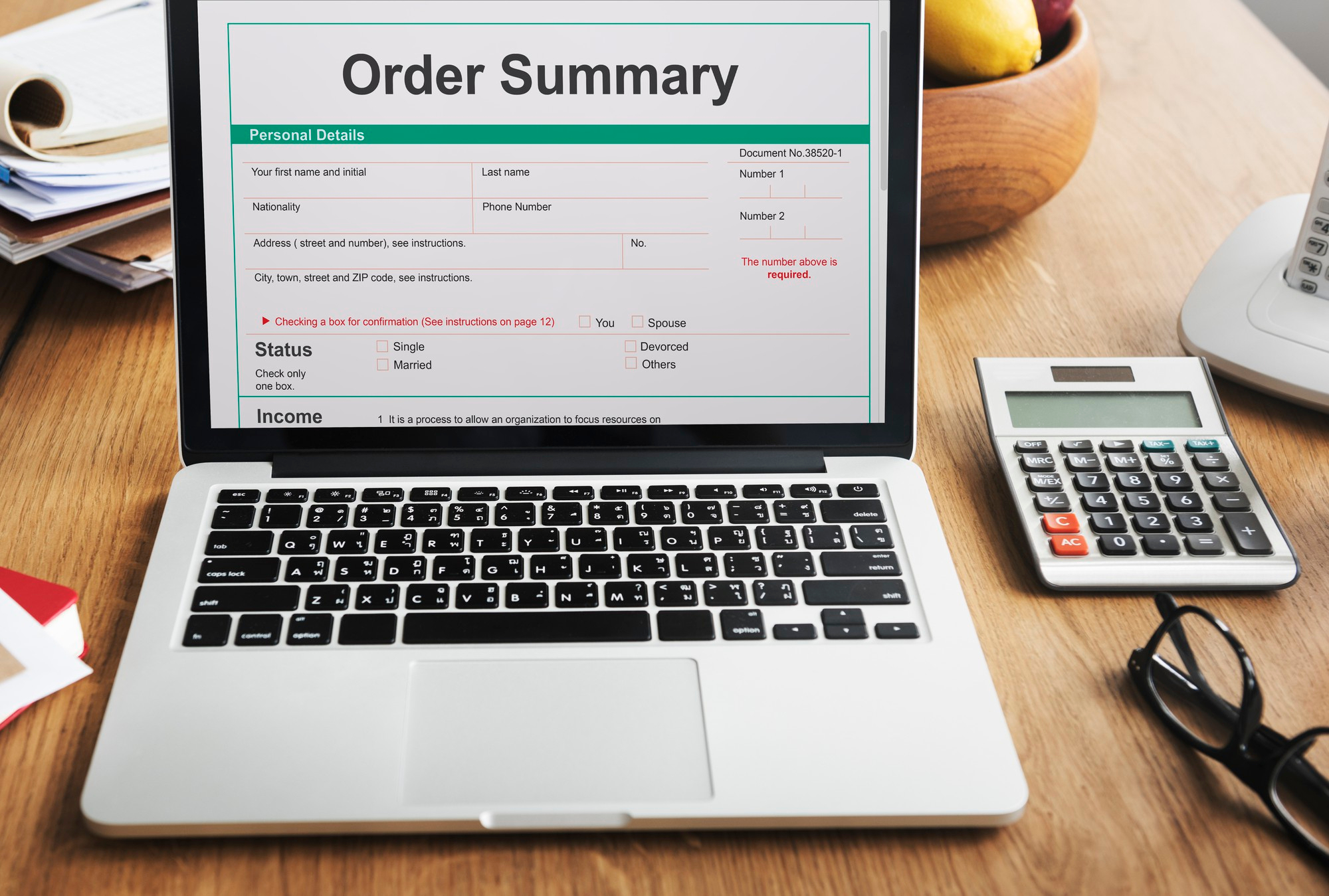
A purchase order is a formal document sent by a buyer to a supplier to request goods or services, clearly stating the items, quantity, price, and delivery terms.
It works by creating a clear record of agreed purchasing terms before goods or services are supplied, helping both parties avoid misunderstandings and maintain control over costs.
In this guide, you will clearly understand what is a purchase order, how it fits into your daily operations, and why it matters for your business.
What is a purchase order?
A purchase order (PO) is a simple document that a buyer sends to a supplier to confirm what they want to buy. It includes the items or services being ordered, how many are needed, the agreed price, and where and when they should be delivered.
Components of a purchase order
-
- Purchase order number – A unique reference used to identify and track the order.
- Buyer and supplier details – Basic contact details of both businesses involved in the transaction.
- Description of goods or services – Clear explanation of what is being purchased to avoid confusion.
- Quantity and price – How many items are needed and the agreed cost for each.
- Delivery date and location – When and where the order should be delivered.
- Payment terms – Details on how and when payment will be made.
- Authorisation – Approval from the business confirming the order is correct and approved.
Types of purchase orders
Understanding the different types of purchase orders helps businesses choose the right one based on how they buy goods or services.
Each type is used in different situations depending on order size, timing, and agreement terms.
-
- Standard Purchase Order (SPO)
This is the most common type used for one-time purchases, where everything is clearly defined in advance. It includes details like quantity, price, delivery date, and payment terms.
- Standard Purchase Order (SPO)
Example: A business ordering 50 office chairs for a new office setup uses an SPO to confirm the exact order.
-
- Planned Purchase Order (PPO)
This type includes details of what is needed and agreed pricing, but the delivery dates are not fixed. It is useful when a business knows what it will buy but not exactly when.
- Planned Purchase Order (PPO)
Example: A restaurant planning monthly food supplies may use a PPO to agree on prices but receive deliveries as needed.
-
- Blanket Purchase Order (BPO)
A BPO is used for repeated purchases from the same supplier over a period of time.
It establishes agreed pricing and purchasing terms for repeated purchases over a defined period, reducing administrative work and improving procurement efficiency.
- Blanket Purchase Order (BPO)
Example: A company that regularly buys printer paper from one supplier for a year uses a BPO instead of creating new orders each time.
-
- Contract Purchase Order (CPO)
This sets out the terms and conditions of a long-term agreement with a supplier but does not include specific delivery details. Each order is placed separately under the contract.
- Contract Purchase Order (CPO)
Example: A construction company signs a CPO with a materials supplier and then places individual orders for cement and bricks as projects begin.
How do purchase orders work?
Understanding how purchase orders work means knowing how an order moves through your business and supplier from creation to payment.
-
- The purchase order is sent and reviewed
Once you send the purchase order, the supplier checks the details, such as items, price, and delivery terms. - Supplier accepts the order
When the supplier agrees, the purchase order becomes a formal agreement between both parties. - Goods or services are delivered
The supplier provides the items as per the agreed terms in the purchase order. - The invoice is issued
After delivery, the supplier sends an invoice that should match the purchase order. - Verification step
You compare the invoice with the purchase order to ensure everything is correct. - Payment is made
Once verified, payment is processed based on the agreed terms.
- The purchase order is sent and reviewed
This is how purchase orders work in practice. It gives your business a clear system to track spending, avoid errors, and maintain proper financial records, which is especially useful for businesses managing multiple suppliers and invoices.
Purchase order creation process
The purchase order creation process follows a clear set of steps. Keeping this process consistent helps you stay organised and in control.
1. Identify the need
You decide what goods or services your business requires.
2. Create the purchase order
This is the purchase order creation process, where you include key details like item description, quantity, price, and delivery date.
3. Send to supplier
The supplier reviews and approves the purchase order.
4. Delivery of goods or services
Once approved, the supplier delivers as agreed.
5. Invoice and payment
You receive the invoice and match it with the purchase order before paying.
For limited companies and startups, following this process reduces errors and keeps spending under control. It also helps when preparing VAT returns and financial reports.
Benefits of using purchase orders
Purchase orders help businesses stay organised, control spending, and reduce errors by clearly recording every purchase before payment is made.
-
- Better control over spending – Helps track what has been ordered and approved.
- Reduces errors – Avoids mistakes in pricing, quantity, and delivery details.
- Clear record keeping – Creates a proper audit trail for accounts and tax purposes.
- Improves supplier communication – Ensures both buyer and supplier agree on the same terms.
- Prevents duplicate orders – Helps avoid accidental repeat purchases.
How a purchase order differs from an invoice
A purchase order and an invoice are two important business documents used at different stages of a transaction, helping both buyers and suppliers stay clear on orders and payments.
| Feature | Purchase Order | Invoice |
| Created by | Buyer (customer) | Supplier (seller) |
| Purpose | Requests goods or services | Requests payment for goods/services delivered |
| When issued | Before purchase | After delivery |
| Function | Confirms what is being ordered | Confirms what needs to be paid |
| Role in process | Starts the buying process | Ends the buying process |
Using a simple digital system helps reduce errors, speed up approvals, and keep all payments organised in one place. Tools like NomiPay make it easier to manage supplier payments by linking purchases and payments, saving time and improving financial control.
Take action today
If you want better control over your business purchases, start using purchase orders today. And if you want a simpler way to manage everything, consider using Nomi bookkeeping software, which helps you handle purchase orders, track records, and keep your business organised in one place.
Taking this step now can save you time, reduce errors, and help your business grow with confidence. Start your free trial today.
Frequently asked questions
1. How does someone pay with a purchase order?
Ans. Payment is made after the goods or services are delivered, and the supplier issues an invoice that matches the purchase order. The buyer then approves it and pays according to the agreed terms.
2. What do I do after receiving a purchase order?
Ans. After receiving a purchase order, you review and accept it, then supply the goods or services as agreed and later issue an invoice for payment.
3. What are the 4 types of purchase orders?
Ans. The four main types are standard purchase orders, planned purchase orders, blanket purchase orders, and contract purchase orders, each used depending on the nature of the purchase.
4. What are common PO mistakes?
Ans. Common mistakes include missing details, not matching invoices with purchase orders, skipping POs for small orders, and poor record-keeping.
5. Who creates a purchase order?
Ans. A purchase order is created by the buyer or purchasing team within a business before purchasing from a supplier.
6. How legally binding is a purchase order?
Ans. In many cases, a purchase order becomes legally binding when the supplier accepts it. However, the exact legal status depends on the terms of the purchase order, the supplier’s conditions, and applicable contract law.
Want to find out more?
Book a free 30-day trial and see how our accounting software can help you manage staff, increase profitability and take your practice to the next level.
What accountants should actually look for in practice management software
As an accounting practice grows, managing the work around accounting can become as challenging as...
Read More
How AML software helps accountants in accounting practices
Anti-money laundering (AML) checks are an important part of running an accounting practice in the...
Read More

Making Tax Digital for Accountants: A Practical Guide for 2026/27
Making Tax Digital (MTD) for Income Tax is now live. Since 6 April 2026, sole...
Read More
How to convert a PDF to CSV: A practical guide for UK businesses
PDF files are useful for sharing and viewing information, but they are not always convenient...
Read More