
What Records Should You Keep for HMRC Self-Assessment Audits?
 Team Nomi
4 minutes read
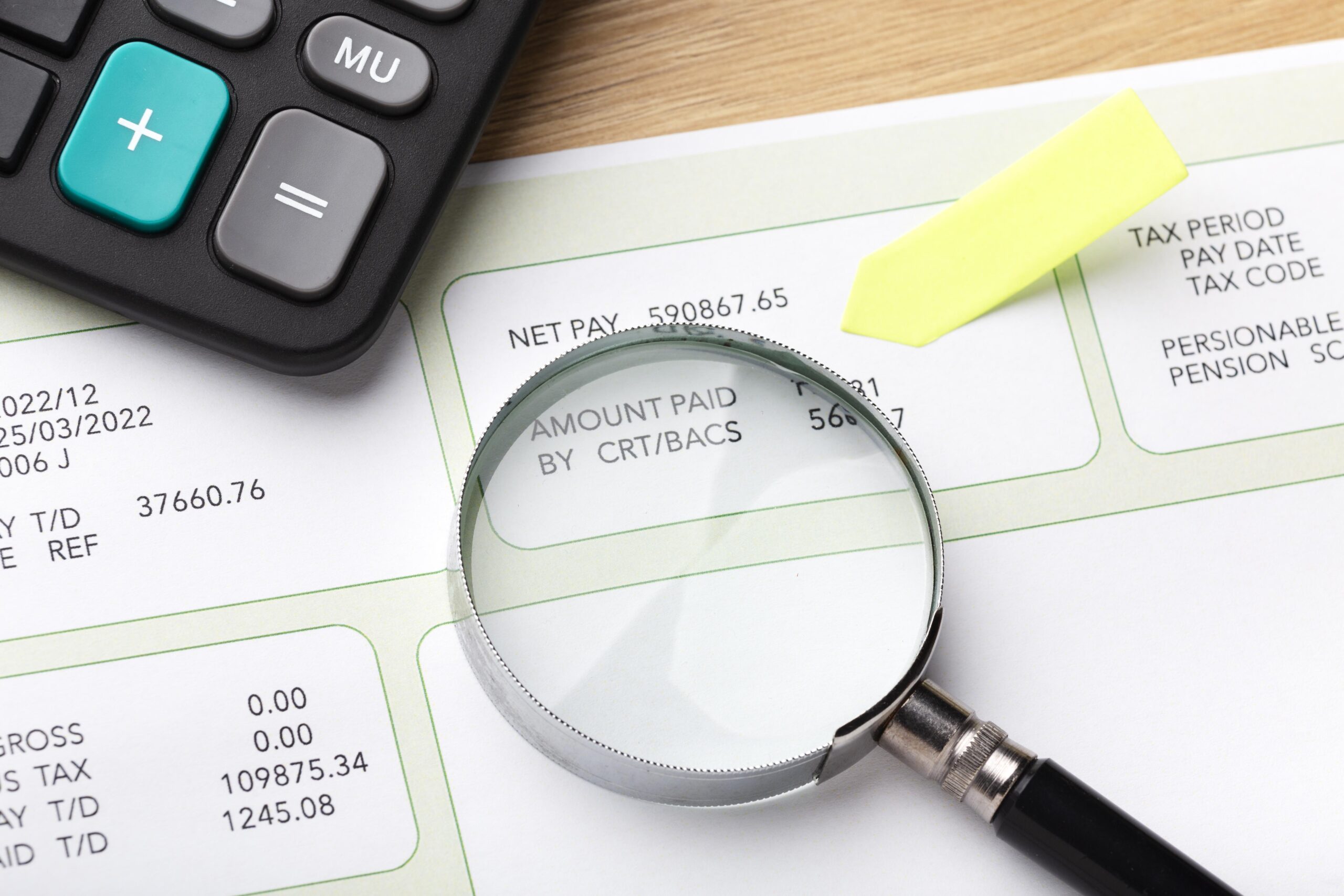
Self Assessment are usually words you only have to worry about ahead of filing your return by the January deadline. But what happens if HMRC decides to take a closer look?
An HMRC audit (also called a compliance check) can be triggered at random or because something doesn’t quite add up. Either way, how well you’ve prepared, and what records you’ve kept, can make all the difference.
Whether you’re a sole trader, landlord or accountant supporting multiple clients, this guide covers the essential tax records you need for Self Assessment, and how digital record-keeping tools can improve your audit preparation and keep you compliant.
Why Record-Keeping Matters for Self Assessment
It’s easy to tell yourself you have copies of those receipts and invoices kept safely in a drawer somewhere and you’ll get round to recording everything… tomorrow.
However, HMRC requires you to keep up-to-date evidence to back up everything in your Self Assessment tax return, from income and expenses to reliefs and allowances. If you’re audited and can’t provide the right documents, you could face delays, fines or even further investigation.
But beyond compliance, good records give you a clearer view of your finances, help avoid errors and make tax season far less stressful when the deadline comes around.
Key Tax Records You Should Keep
Here’s a checklist of the records HMRC expects you to keep for your Self Assessment submission:
For Sole Traders and Self-Employed Individuals
-
- Sales invoices and customer receipts
- Purchase invoices and business expense receipts
- Mileage logs and travel records
- Bank and credit card statements
- Cash book or digital transaction logs
- Payroll records (if you employ others)
- VAT records (if registered)
For Landlords
-
- Rental income records
- Mortgage interest and property-related expenses
- Maintenance and repair invoices
- Tenancy agreements
- Agent statements (if managed by a letting agent)
For Partnerships or Directors
-
- Profit/loss statements
- Dividend vouchers
- Capital allowances and asset registers
- Partnership agreements and allocations
HMRC recommends keeping these records for at least five years after the 31st January deadline for each tax year. For example, your 2024–25 return is due by 31st January 2026, so you’ll need to keep those records until at least January 2031.
Digital Tools: Your Secret Weapon for Audit Preparation
Traditionally, record-keeping meant folders full of paper receipts or clunky spreadsheets. But as HMRC shifts toward digital-first processes, like Making Tax Digital for income tax, these old, manual methods just don’t cut it anymore.
Here’s where digital record-keeping tools can easily transform your HMRC audit preparation:
-
- Real-Time Accuracy: Modern platforms like Nomi automatically capture and categorise income and expenses, reducing human error and keeping everything audit-ready.
- Cloud Storage and Access: Need to produce a receipt from four years ago at a moment’s notice? Digital software stores records securely and makes it easy to retrieve documentation instantly during an HMRC audit.
- Seamless Integration: From bank feeds to invoice automation, integrated systems ensure all your data is connected, saving time and making tax filing far more accurate.
- Peace of Mind: Many digital tools provide audit trails and compliance alerts, so you’ll know if anything’s missing well before HMRC gets in touch.
How to Stay Prepared, Always
-
- Go digital: Use Self Assessment-ready software that automates record capture and links directly to HMRC.
- Stay organised: Don’t leave it all until January. Update your records monthly or even weekly to save yourself the stress.
- Back it up: Cloud-based tools take care of this for you, but always check that your provider offers secure, HMRC recognised storage.
- Ask for help: If you’re an accountant or bookkeeper, recommend that clients use digital tools. If you’re a small business owner, ask your accountant what system they use and why.
A Self Assessment Audit from HMRC Doesn’t Have to Be Stressful
Keeping the right tax records, using reliable digital tools and staying organised all year round puts you firmly in control and takes the stress out of Self Assessment.
With Nomi’s Self Assessment software, audit readiness becomes a by-product of working smarter, not harder. Whether you’re filing your own return or managing dozens of clients, now is the time to digitise and streamline.
Book a free demo and see how Nomi can help.
Want to find out more?
Book a free 30-day trial and see how our accounting software can help you manage staff, increase profitability and take your practice to the next level.

Does Making Tax Digital Apply to Partnerships
Confused about whether Making Tax Digital applies to partnerships? The rules have changed, and the...
Read More

Tax Changes 2026: Key Updates You Must Know
The 2026 tax changes bring important updates that affect individuals, landlords, and businesses. With new...
Read More

Stamp Duty Changes 2026: UK Property Tax Updates
Stamp duty remains one of the most important costs to consider when buying property in...
Read More

Direct Debit for Business: Benefits & Guide – 2026
Late payments, cash flow gaps, and chasing invoices can hold your business back. Direct debit...
Read More