
Accrual Accounting vs Cash Accounting: What’s the Difference?
 Team Nomi
6 minutes read

The key difference between accrual accounting and cash accounting is timing. Cash accounting records income and expenses when money changes hands, while accrual accounting records them when they are earned or incurred.
Choosing the right accounting method is one of the most important decisions for any business. Whether you are a start-up, a limited company director, or self-employed, understanding accrual accounting vs cash accounting helps you stay on top of your finances and remain compliant with UK rules.
Both methods record income and expenses, but the timing is what sets them apart. This guide explains the key differences, benefits, and how to decide which approach best fits your business.
What is Cash Accounting?
Cash accounting is a simple way of recording money in your business. It records income when you actually receive the payment and expenses when you actually pay them.
For example, if you send an invoice in March but get paid in April, the income is recorded in April. Similarly, if you receive a bill in March but pay it in April, it is recorded in April.
This method is commonly used by small businesses, freelancers, and sole traders in the UK because it is easy to manage and shows your real-time bank balance. However, it may not always give a full picture of your business performance if payments are delayed or invoices are still unpaid.
What is Accrual Accounting?
Accrual accounting works differently. It records income and expenses when they are earned or incurred, not when the money is actually received or paid.
So, if you invoice in March, it’s recorded then, even if payment comes later. The same applies to expenses; they are recorded when you receive the bill, not when you pay it.
When looking at accrual accounting vs cash accounting, this method gives a more accurate and realistic view of how your business is performing over time.
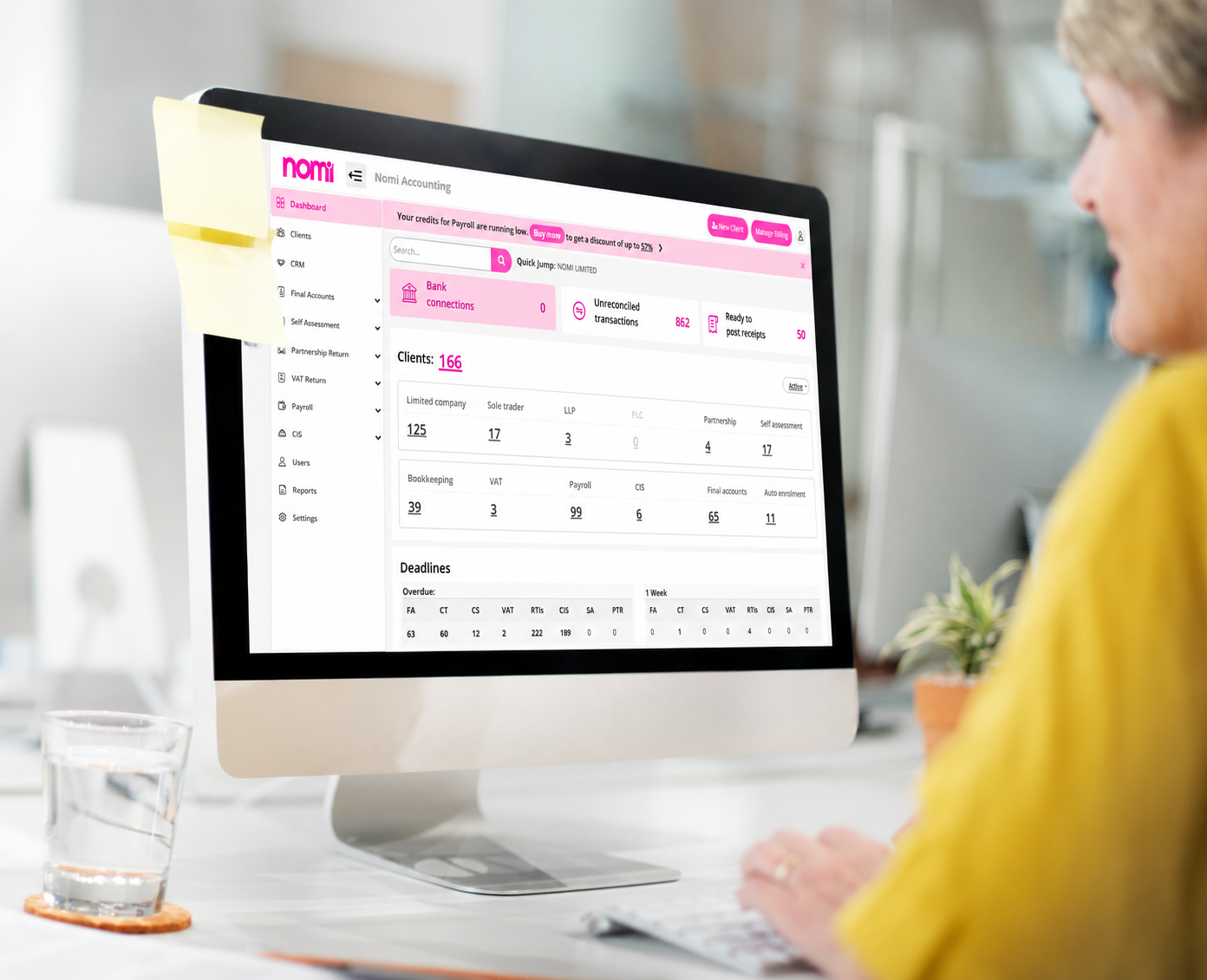
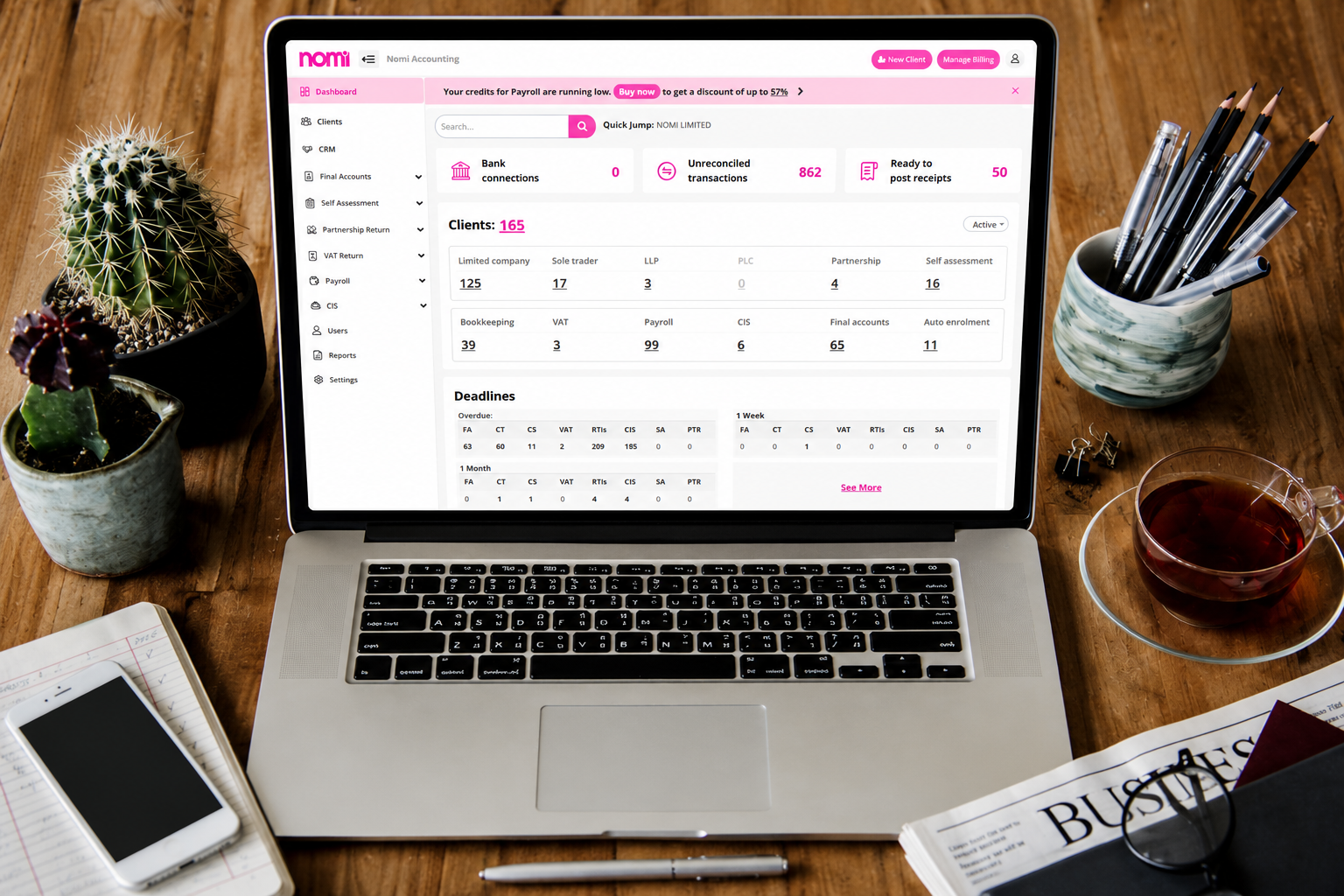
It requires more detailed record-keeping, particularly as a business grows. However, Nomi software helps simplify the process by bringing everything into one place. You can manage bookkeeping, payroll, final accounts, and self-assessments easily, making your accounting more organised, accurate, and less time-consuming.
Difference Between Cash and Accrual Accounting
When comparing accrual accounting vs cash accounting, it is important to understand how each method records transactions and impacts your financial reporting.
| Feature | Cash Accounting | Accrual Accounting |
| Recording Method | When money is received or paid | When income is earned, or an expense occurs |
| Cash Flow Visibility | Shows real-time bank balance | Provides less visibility of current cash position |
| Profit Accuracy | May not reflect outstanding income and expenses | More accurate financial picture |
| Complexity | Simple and easy to manage | More detailed and structured |
| Suitable For | Small businesses, sole traders | Limited companies, growing businesses |
| Regulatory requirement | Allowed under the cash basis scheme | Required for most limited companies |
1. Timing of Transactions
With cash accounting, entries are made only when money moves. With accrual accounting, transactions are recorded when they happen. This is the main difference between cash vs accrual accounting.
2. Financial Visibility
Cash accounting shows the funds currently available in your bank account. Accrual accounting gives a fuller view by including unpaid invoices and upcoming bills.
3. Business Insights
When comparing cash basis versus accrual basis, cash accounting focuses on short-term cash flow, while accrual accounting gives a longer-term view of performance.
4. Compliance and Growth
Cash accounting works well for small businesses, but as things grow, accrual accounting becomes more useful, especially for limited companies.
5. Reporting and Decision-Making
Accrual accounting supports stronger reporting, which becomes important when applying for loans, funding, or working with investors.
Hybrid Methods of Accounting
Some businesses use a mix of both methods, known as hybrid accounting. This combines elements of accrual accounting vs cash accounting to suit specific needs.
How it works
-
- Use cash accounting for day-to-day income and expenses
- Use accrual accounting for inventory, large contracts, or long-term projects
Why do businesses choose it
-
- Keeps basic bookkeeping simple
- Provides better financial visibility where needed
- Supports growing businesses with more complex transactions
How Cash vs Accrual Accounting Affects Your Taxes?
Your choice between cash vs accrual accounting also affects how and when you pay tax.
Cash Accounting
-
- Tax is paid only on money received
- Easier to manage cash flow
- Helpful when clients delay payments
Accrual Accounting
-
- Tax is based on income earned
- Includes unpaid invoices
- Gives a more accurate view of profit
The timing of when income and expenses are recognised can significantly affect your tax position. Choosing the wrong method can sometimes lead to unexpected tax bills.
How to Choose Between Cash and Accrual Accounting?
When deciding between cash basis and accrual basis, the choice depends on your business needs, structure, and plans.
| Criteria | Cash Accounting | Accrual Accounting |
| Business Type | Small businesses, self-employed | Limited companies |
| Complexity | Simple and easy to manage | More detailed and structured |
| Focus | Day-to-day cash flow | Overall financial performance |
| Growth Plans | Suitable for early-stage businesses | Ideal for scaling and expansion |
| Financial Reporting | Basic tracking | Accurate and complete reports |
| Funding & Investors | Not usually required | Important for loans and investors |
Conclusion
Understanding accrual accounting vs cash accounting is essential for every business owner. The right choice depends on your size, goals, and how you manage your finances.
If you want a simple system, cash accounting may work for now. But if you are serious about growth, better reporting, and smarter decisions, accrual accounting is the way forward.
Choosing the right accounting method early can improve cash flow management, financial reporting, and long-term decision-making.
Start using the right tools today. With Nomi software, you can manage your bookkeeping, payroll, final accounts, and self-assessments in one place, making your accounting more organised and accurate.
Frequently Asked Questions
1. Is accrual accounting the same as cash accounting?
Ans. No, accrual accounting and cash accounting are different in that cash records money when it is received or paid, while accrual records it when it is earned or incurred.
2. Does the UK use accrual accounting?
Ans. Yes, most limited companies in the UK are required to use accrual accounting for accurate financial reporting and compliance.
3. How do I know if I’m on a cash or accrual basis?
Ans. Check how you record income. If it is logged when money is received, you are on a cash basis; If income and expenses are recorded when earned or incurred, you are using accrual accounting.
4. What are examples of accrual accounting?
Ans. Recording an invoice as income before payment is received or recording a bill as an expense before it is paid are common examples.
Want to find out more?
Book a free 30-day trial and see how our accounting software can help you manage staff, increase profitability and take your practice to the next level.

How to calculate Reducing Balance Depreciation (formula and example)
The reducing balance method of depreciation is an accounting method used to calculate the declining...
Read More
When do Making Tax Digital (MTD) quarterly returns start?
From April 2026, many self-employed individuals and landlords will move to quarterly reporting under Making...
Read More

What changes for landlords in 2026? – [Rules & Dates]
2026 is an important year for landlords in the UK. Along with new tenancy rules...
Read More
All in One Accounting Software for Accountants
Accountants today need more than simple bookkeeping tools. They need software that can handle tax,...
Read More